Published: 21 March 2026 | Medically reviewed | Last updated: 21 March 2026
What Vitamin Am I Lacking If I Have Dry Eyes?
Dry eyes can happen for many reasons, including meibomian gland dysfunction, screen overuse, aging, contact lens wear, medications, autoimmune disease, eyelid inflammation, and environmental triggers. But some people also wonder whether a nutrient deficiency could be involved. The short answer is yes: in some cases, nutritional deficiency can contribute to dry eye symptoms. The vitamin most classically linked to dry eyes is vitamin A. Low vitamin D and vitamin B12 may also be associated with dry eye symptoms in some people. In addition, omega-3 fatty acids may affect tear quality, although they are not vitamins and research results are mixed.
Quick summary: If you have dry eyes, the nutrient deficiency doctors think about most strongly is vitamin A deficiency, because vitamin A helps maintain the cornea, conjunctiva, and normal tear film. Low vitamin D and vitamin B12 may also worsen dry eye symptoms in some people. However, most dry eye cases are not caused by a vitamin deficiency alone, so persistent symptoms should be properly evaluated.
Which Vitamin Deficiency Is Most Linked to Dry Eyes?
The vitamin most clearly linked to dry eyes is vitamin A. Vitamin A is essential for the normal function and differentiation of the cornea and conjunctival surface, including the goblet cells that help produce mucin, an important part of the tear film. When vitamin A levels become too low, the ocular surface can become dry, rough, inflamed, and vulnerable to damage. In more severe deficiency, this can progress to xerophthalmia, night blindness, Bitot spots, corneal drying, ulceration, and even permanent vision loss if not treated.
Vitamin A deficiency is uncommon in many high-income countries, but it still matters clinically, especially in people with poor nutrition, malabsorption, liver disease, bariatric surgery history, chronic gastrointestinal disease, eating disorders, or conditions that reduce fat absorption. So if someone has dry eyes along with poor night vision, malnutrition, or unexplained ocular surface disease, vitamin A deficiency deserves serious attention.
Why Vitamin A Matters for Tear Production
Vitamin A helps keep the surface of the eye moist and healthy. It supports:
- Normal conjunctival and corneal epithelial cells
- Goblet cell function and mucin production
- Stability of the tear film
- Protection of the ocular surface from drying and keratinization
When vitamin A is deficient, the tear film becomes less stable and the eye surface becomes more vulnerable to inflammation and injury. Some studies also suggest vitamin A supplementation may improve tear quality in selected dry eye patients, particularly when deficiency is part of the problem.
Can Vitamin D Deficiency Cause Dry Eyes?
Low vitamin D has been associated with dry eye disease in multiple studies. Vitamin D appears to have immune-modulating and anti-inflammatory effects, which may matter because inflammation plays a major role in dry eye disease. Several reviews and meta-analyses suggest that people with vitamin D deficiency may have a higher risk of dry eye and that vitamin D supplementation may help some patients, especially those with low vitamin D levels or persistent symptoms.
That said, vitamin D deficiency is not the classic or only cause of dry eyes, and supplementation is not a guaranteed cure. It may be one part of the puzzle in selected patients, particularly when dry eyes occur alongside fatigue, bone pain, muscle weakness, limited sunlight exposure, or other signs of deficiency.
What About Vitamin B12?
Vitamin B12 deficiency may also play a role in some people with dry eye, especially when symptoms include burning, pain, light sensitivity, or discomfort that seems greater than the amount of visible dryness on examination. This is because B12 deficiency may contribute to neuropathic ocular pain and abnormal nerve function, which can overlap with dry eye symptoms.
Some clinical studies suggest that identifying and treating vitamin B12 deficiency may improve pain-related dry eye symptoms in certain patients. B12 deficiency is more likely in strict vegans, older adults, people taking metformin long term, and people with pernicious anemia or gastrointestinal absorption disorders.
Are Omega-3s the Missing Nutrient?
Omega-3 fatty acids are often mentioned in dry eye care because they may influence meibomian gland secretions, ocular surface inflammation, and tear film quality. However, omega-3s are not vitamins. They are essential fatty acids. Research on omega-3 supplements for dry eye has shown mixed results. Some trials and reviews suggest symptom improvement in certain groups, while others have found limited or no major benefit.
This means omega-3s may help some patients as part of a broader treatment plan, but they should not be viewed as a universal solution or proof of a vitamin deficiency.
Could Low Vitamin C or Vitamin E Cause Dry Eyes?
Vitamin C and vitamin E are antioxidants, and antioxidants may help reduce oxidative stress on the ocular surface. Reviews of nutritional support in dry eye mention them as potentially supportive nutrients, but they are not the main vitamin deficiencies doctors usually look for when someone reports dry eyes. If a deficiency exists, correcting it matters for general health, but dry eye symptoms are much more strongly associated with vitamin A deficiency than with vitamin C or E deficiency.
Signs Your Dry Eyes Could Be Related to a Deficiency
A nutritional deficiency may be more likely if dry eyes happen together with other warning signs, such as:
- Poor night vision or night blindness
- Malnutrition or a very restricted diet
- Unexplained weight loss
- Digestive disease or chronic diarrhea
- History of bariatric surgery
- Alcohol misuse
- Fatigue, numbness, or anemia symptoms suggesting B12 deficiency
- Very severe ocular surface dryness or recurrent corneal problems
If these features are present, blood tests and a proper medical evaluation may be appropriate rather than simply trying over-the-counter drops.
Seek urgent medical care if dry eyes come with severe pain, marked redness, light sensitivity, reduced vision, a white spot on the cornea, trauma, or symptoms that start suddenly and are intense. Dry eyes can sometimes be confused with infection, corneal ulcer, inflammation, or other urgent eye problems.
The Most Common Causes of Dry Eyes Are Usually Not Vitamin Deficiency
Although vitamin deficiency can contribute, most dry eye disease is caused by more common problems such as:
- Meibomian gland dysfunction
- Blepharitis
- Aging
- Menopause and hormonal changes
- Excessive screen time and reduced blinking
- Contact lens wear
- Air conditioning, wind, smoke, or dry environments
- Medications such as antihistamines, antidepressants, and some acne treatments
- Autoimmune diseases such as Sjögren syndrome
That is why it is important not to assume that dry eyes automatically mean a vitamin problem. The answer may be nutritional, inflammatory, eyelid-related, environmental, or a combination of several factors.
What Should You Do If You Think a Deficiency Is Causing Dry Eyes?
If you suspect a deficiency, the safest approach is to get a proper assessment rather than self-prescribing high-dose supplements. Too much vitamin A can be harmful, especially in supplement form. A doctor may consider checking for nutritional issues if your history suggests deficiency, particularly for vitamin A, vitamin D, or vitamin B12.
Management may include:
- Treating any confirmed deficiency
- Lubricating eye drops or ointment
- Managing blepharitis or meibomian gland dysfunction
- Improving blink habits and screen ergonomics
- Reviewing medications that may worsen dryness
- Testing for autoimmune or ocular surface disease when indicated
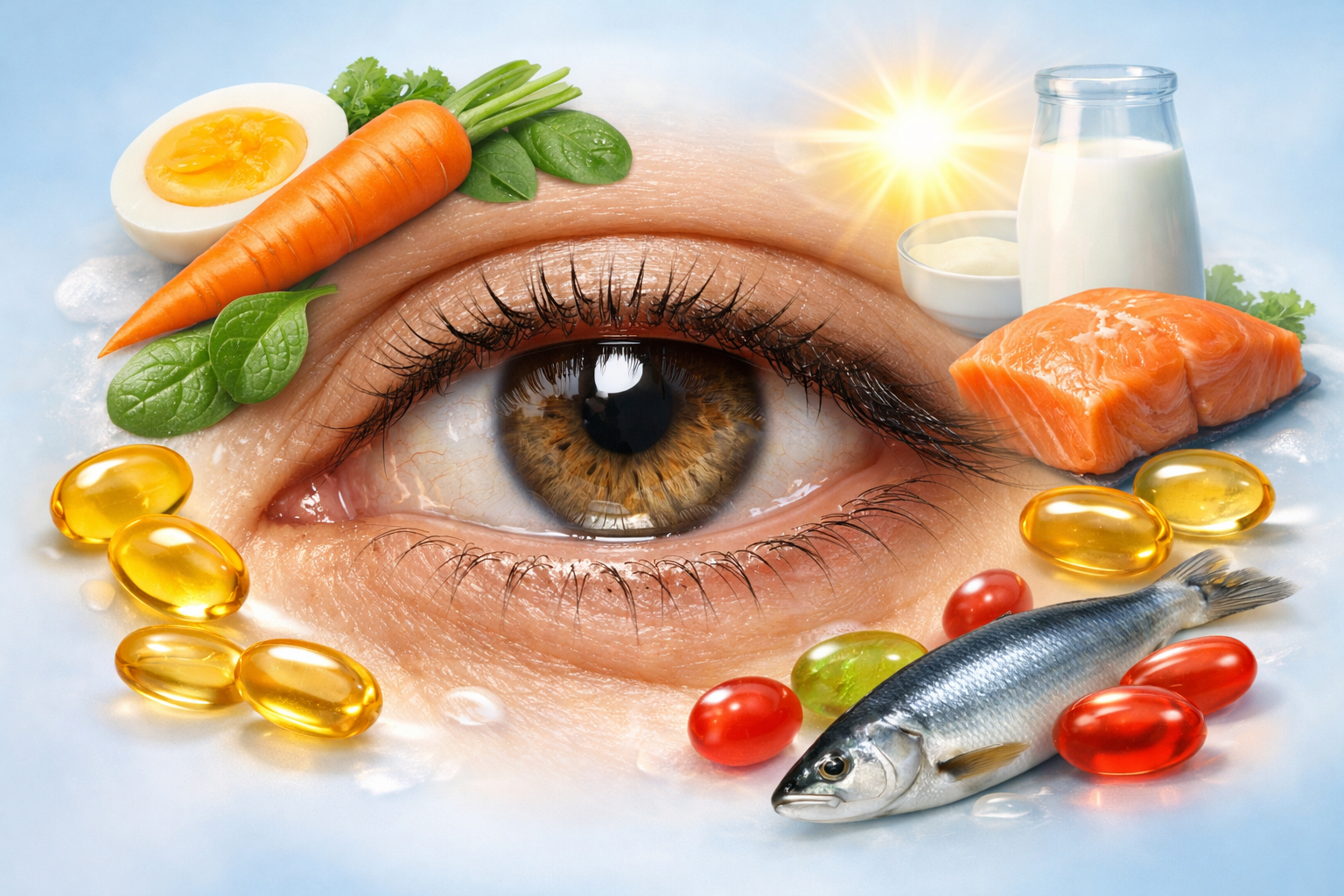
Best Foods for Eye Surface Health
A healthy diet cannot replace proper diagnosis, but it can support the ocular surface. Useful foods include:
- Vitamin A: liver, eggs, dairy, carrots, sweet potatoes, spinach, kale
- Vitamin D: fortified dairy products, oily fish, eggs
- Vitamin B12: meat, fish, dairy, eggs, fortified foods
- Omega-3 fatty acids: salmon, sardines, mackerel, flaxseed, chia seeds, walnuts
Final Answer
If you have dry eyes and are wondering what vitamin you might be lacking, the main vitamin linked to dry eyes is vitamin A. Low vitamin D and vitamin B12 can also contribute in some people, but they are not the classic cause in the way vitamin A deficiency is. And while omega-3s may support tear film health, they are not vitamins and the evidence for supplements is mixed.
Because dry eye is often caused by common eyelid or tear film problems rather than a single deficiency, persistent symptoms should be assessed by an eye doctor instead of guessing based on diet alone.
Have questions about dry eyes?
Ask an eye doctor at
WebEyeClinic
for trusted guidance on symptoms, causes, and treatment.
References
- American Academy of Ophthalmology: What Is Vitamin A Deficiency?
- NIH Office of Dietary Supplements: Vitamin A Fact Sheet for Health Professionals
- PubMed: The efficacy of vitamin D supplementation in dry eye disease (2024)
- PubMed: Vitamin D Deficiency and Dry Eye Disease (2026)
- PubMed: Vitamin B12 deficiency evaluation and treatment in severe dry eye disease with neuropathic ocular pain (2017)
- PubMed: Re-Esterified Triglyceride Omega-3 Fatty Acids in Dry Eye Disease With Meibomian Gland Dysfunction (2024)
- Recommendations for nutritional supplements for dry eye disease (2024 review)
This article is for educational purposes only and does not replace medical advice, diagnosis, or treatment. Nutritional deficiency, especially vitamin A deficiency, can affect the eye surface, but many cases of dry eye have other causes. Medically reviewed | Last updated: 21 March 2026.