Published: March 18, 2026 | Medically Reviewed: March 18, 2026 | Last Updated: March 18, 2026
Can Dry Eye Cause Blurry Vision?
Yes — dry eye can cause blurry vision. In many people, the blurriness comes and goes, often getting worse during screen time, reading, driving, or being in windy or air-conditioned environments. This happens because a healthy tear film is essential for keeping the front surface of the eye smooth and clear. When the tear film becomes unstable, vision can temporarily look hazy, smeared, or fluctuate between clear and blurry.
Quick answer: Dry eye can absolutely make vision blurry, especially if your eyes feel gritty, burning, watery, tired, or irritated at the same time. Blurry vision from dry eye is often temporary, but persistent or worsening blur should always be checked by an eye doctor because other eye conditions can also cause it.
Why dry eye makes vision blurry
The tear film is the very first surface that light passes through before entering the eye. For vision to stay sharp, that surface needs to remain smooth and evenly spread. In dry eye disease, the eyes either do not make enough tears or the tears evaporate too quickly. When that happens, the tear layer breaks up, the surface becomes irregular, and vision may blur or fluctuate.
This is why some people notice that blinking briefly clears their vision, only for the blur to return a few seconds later. That pattern is very common with dry eye.
What blurry vision from dry eye feels like
Blurry vision caused by dry eye is often described as:
- Vision that comes and goes during the day
- Words on a screen or page looking smeared
- Vision that improves after blinking
- Hazy or filmy vision
- Blur that gets worse later in the day
- Trouble focusing during reading, computer work, or night driving
Many people also have other dry eye symptoms at the same time, such as burning, stinging, redness, tearing, light sensitivity, or a gritty sensation.
Can dry eye cause constant blurry vision?
It can, but dry-eye blur is more often intermittent than constant. Early dry eye usually causes fluctuating blur that changes with blinking or activity. More severe dry eye can lead to more persistent blur, especially if the surface of the eye becomes inflamed or damaged.
If your blurry vision is constant, worsening, or only affecting one eye, it is especially important not to assume dry eye is the only cause.
When dry eye blur tends to get worse
Dry-eye-related blurry vision often becomes more noticeable during:
- Long periods of screen use
- Reading or close work
- Driving, especially at night
- Windy weather
- Air conditioning, fans, or central heating
- Contact lens wear
- Dry indoor environments
This happens partly because people blink less during concentration, which lets the tear film dry out faster.
How to tell if dry eye may be the reason
Blurry vision may be linked to dry eye if:
- Your vision clears temporarily after blinking
- Both eyes feel dry, irritated, or tired
- Your eyes water even though they feel dry
- The blur is worse on screens or later in the day
- Lubricating drops help, even if only for a while
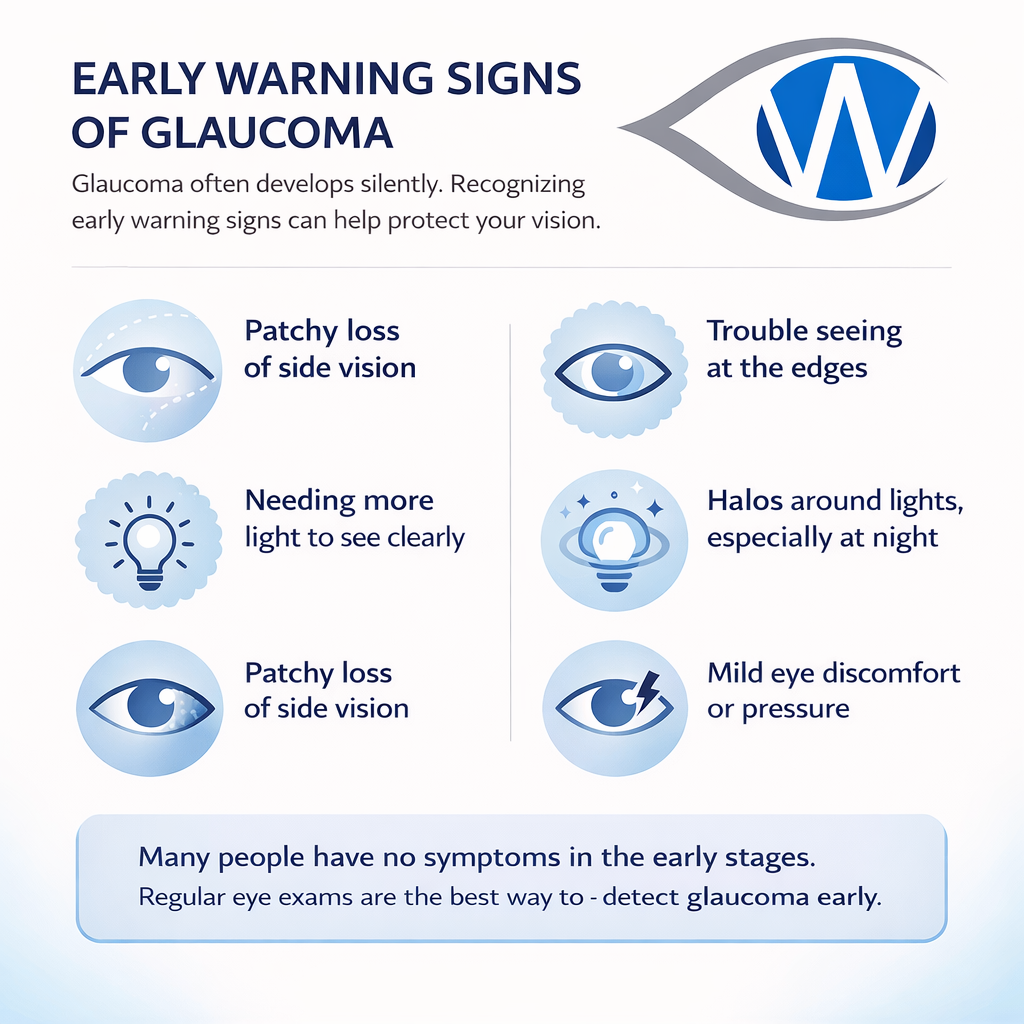
Still, these clues are not enough to diagnose the cause on your own. Blurry vision can also happen with glasses changes, cataracts, eye allergies, corneal problems, macular disease, glaucoma, migraine, and other medical issues.
Get urgent medical care now if blurry vision starts suddenly, happens with eye pain, severe redness, flashes, floaters, a curtain over vision, double vision, headache with nausea, or any noticeable loss of vision. Those symptoms can point to something more serious than dry eye.
What helps blurry vision from dry eye?
Treatment depends on what is causing the dry eye, but common strategies include:
- Using preservative-free artificial tears
- Taking regular blink breaks during screen time
- Reducing direct airflow from fans or vents
- Using a humidifier in dry rooms
- Treating eyelid inflammation or blepharitis if present
- Reviewing contact lens use
- Prescription dry eye treatment when needed
Some people also need treatment for meibomian gland dysfunction, inflammatory dry eye, or underlying conditions such as autoimmune disease.
When to see an eye doctor
Book an eye exam if:
- Your blurry vision keeps coming back
- Artificial tears are not helping enough
- You have eye discomfort, light sensitivity, or redness
- You wear contact lenses
- Your vision seems worse in one eye
- You are not sure whether dry eye is really the cause
An eye doctor can examine the tear film, eyelids, cornea, and overall eye health to see whether dry eye is causing the blur or whether another condition needs treatment.
Need help figuring out whether dry eye is behind your blurry vision?
Our eye doctor can review your symptoms and help you understand when blurry vision may be from dry eye and when it needs urgent attention.
Bottom line
Dry eye can definitely cause blurry vision. In fact, fluctuating blur is one of the most common ways dry eye affects daily life. The blur often improves after blinking or using lubricating drops, but recurring or persistent blurry vision should not be ignored. A proper eye exam can confirm whether dry eye is the cause and rule out more serious problems.
This article is for general educational purposes only and is not a substitute for medical advice, diagnosis, or treatment. Medically reviewed and last updated by WebEyeClinic on March 18, 2026.