Published: March 16, 2026 | Medically reviewed: WebEyeClinic Ophthalmology Team | Last updated: March 16, 2026
What Does High Eye Pressure Mean?
High eye pressure means the pressure inside the eye, called intraocular pressure or IOP, is higher than the level usually considered normal. That sounds frightening, and sometimes it should be taken seriously. But high eye pressure does not automatically mean you have glaucoma, and it does not always mean your vision is already being damaged.
What it does mean is that your eyes may be under more pressure than they should be, and that can increase the risk of optic nerve damage over time. Some people with high eye pressure never develop glaucoma. Others develop damage even when their pressure is not very high. That is why pressure is important, but never the whole story.
Quick medical summary: Eye pressure is often measured in mmHg. A range of about 10 to 21 mmHg is commonly considered normal, while pressure above that may be described as raised or ocular hypertension. But treatment decisions are not based on one number alone. Your eye doctor also looks at the optic nerve, corneal thickness, drainage angle, visual field, and whether there is any sign of glaucoma damage.
If you have been told your eye pressure is high and want help understanding the risk, your reports and scans can be reviewed by an ophthalmologist before you waste more time worrying in the dark.
What is considered normal eye pressure?
Most eye doctors consider normal eye pressure to be roughly between 10 and 21 mmHg. If your reading is above 21 mmHg, it may be called raised eye pressure or ocular hypertension. But the number should never be judged in isolation. A single reading can be affected by time of day, the thickness of the cornea, the technique used, and whether the pressure naturally fluctuates.
That is why one slightly high reading does not automatically mean a dangerous problem. It means the result needs context.
Does high eye pressure mean glaucoma?
No, not necessarily. High eye pressure can exist without glaucoma. This is often called ocular hypertension. It means the pressure is above the normal range, but there is no clear evidence yet of optic nerve damage or visual field loss.
At the same time, glaucoma can sometimes develop even when the pressure is in the normal range. So high pressure is a major risk factor, but it is not the same thing as a glaucoma diagnosis.
Why can eye pressure become high?
1) The eye fluid is not draining properly
The most common reason is that the fluid inside the eye, called aqueous humor, does not drain as efficiently as it should. If fluid keeps being produced but cannot leave properly, the pressure rises.
2) Ocular hypertension
Some people simply have pressure that runs higher than average, without any detectable glaucoma damage at that stage. These patients still need monitoring because some will go on to develop glaucoma over time.
3) Steroid response
Steroid eye drops, tablets, creams near the eye, or injections can raise eye pressure in some people. This is especially important after eye surgery or in patients already at risk of glaucoma.
4) Angle-closure problems
If the drainage angle becomes too narrow or suddenly closes, pressure can rise quickly. This can be a true emergency, especially if it causes pain, halos, headache, nausea, and blurred vision.
5) Eye inflammation, trauma, or surgery
Inflammation inside the eye, previous injury, bleeding, or certain eye operations can interfere with fluid drainage and raise pressure.
6) Individual risk factors
Age, family history, thinner corneas, certain anatomical features, and pre-existing glaucoma risk can all make a high pressure reading more important.
Can you feel high eye pressure?
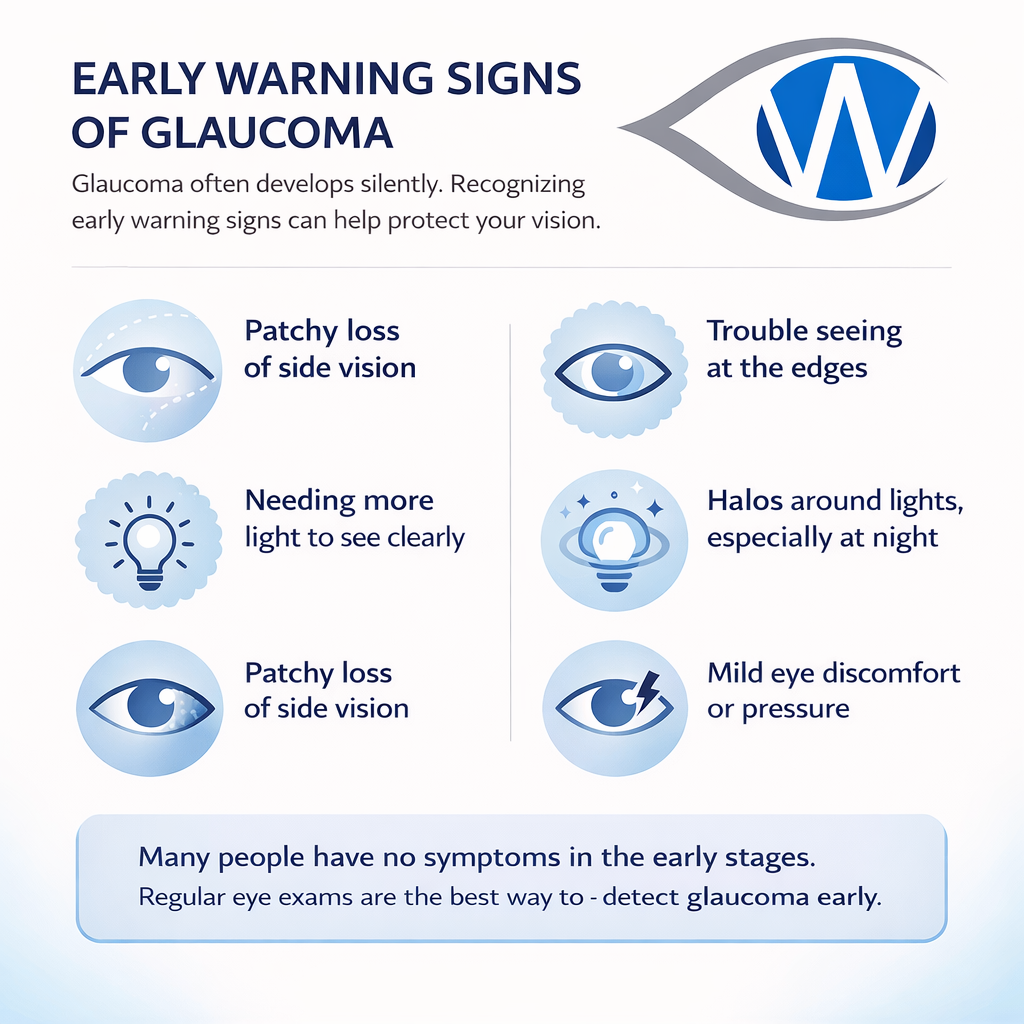
Often, no. That is the dangerous part. Many people with raised eye pressure or early open-angle glaucoma have no symptoms at all. They do not feel pressure building. They do not notice pain. Their vision can seem perfectly normal while silent damage begins.
In some situations, especially sudden angle-closure glaucoma, symptoms can be intense. These may include severe eye pain, headache, blurred vision, halos around lights, redness, nausea, or vomiting. That pattern is very different and should be treated urgently.
What damage can high eye pressure cause?
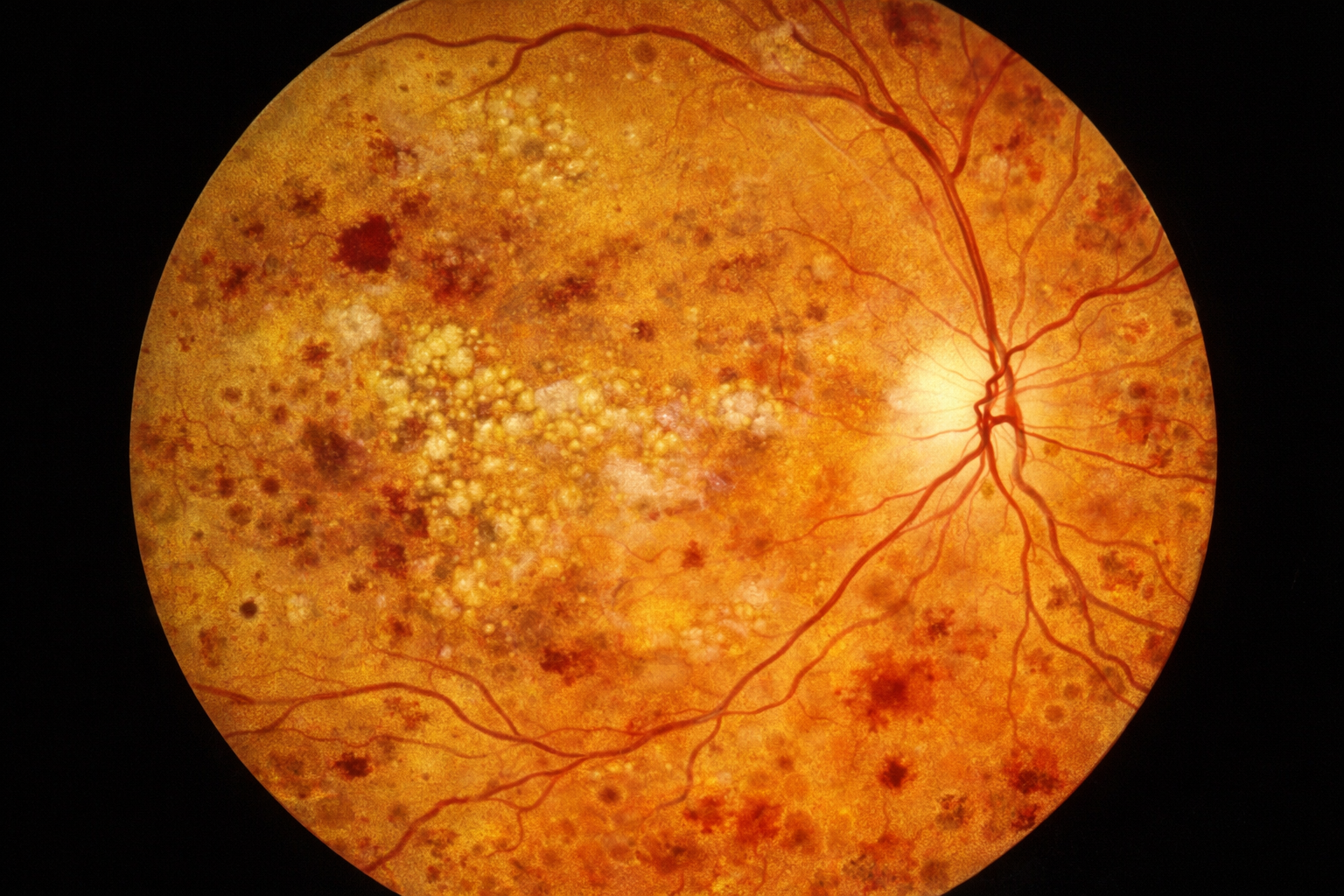
The main fear is damage to the optic nerve. This is the nerve that carries visual information from the eye to the brain. If pressure is high enough, or if the optic nerve is vulnerable, glaucoma damage can develop. That damage usually affects side vision first and may progress slowly enough that the patient does not notice until significant vision is already lost.
That is why monitoring matters even when you feel fine. By the time glaucoma causes obvious symptoms, damage may already be permanent.
When is high eye pressure an emergency?
Seek urgent ophthalmic care immediately if high eye pressure comes with any of the following:
- severe eye pain
- sudden blurred vision
- halos or coloured rings around lights
- headache, nausea, or vomiting
- red eye with rapid worsening
- sudden drop in vision
These symptoms can suggest acute angle-closure glaucoma or another urgent eye problem. This is not a wait-and-see situation.
How do eye doctors decide if high pressure needs treatment?
Treatment is based on risk, not panic. Your ophthalmologist will usually consider:
- how high the pressure is
- whether the optic nerve looks healthy
- whether your visual field is normal
- your corneal thickness
- your age and family history
- whether the angle is open or narrow
- whether the pressure stays high over time
Some people are monitored without treatment. Others are started on drops, laser, or other treatment because the risk of glaucoma is judged to be high enough.
How is high eye pressure treated?
Eye drops
Drops are often the first treatment. They may lower pressure by reducing fluid production or improving drainage.
Laser treatment
Laser may be used in some cases to improve drainage or prevent angle closure.
Treating the cause
If the pressure is related to steroids, inflammation, angle closure, or another eye condition, treating the underlying cause matters just as much as lowering the number.
Questions worth asking your eye doctor
- What exactly was my eye pressure reading?
- Was that reading taken once or on more than one visit?
- Do I have ocular hypertension, glaucoma, or just a borderline reading?
- Is my optic nerve healthy?
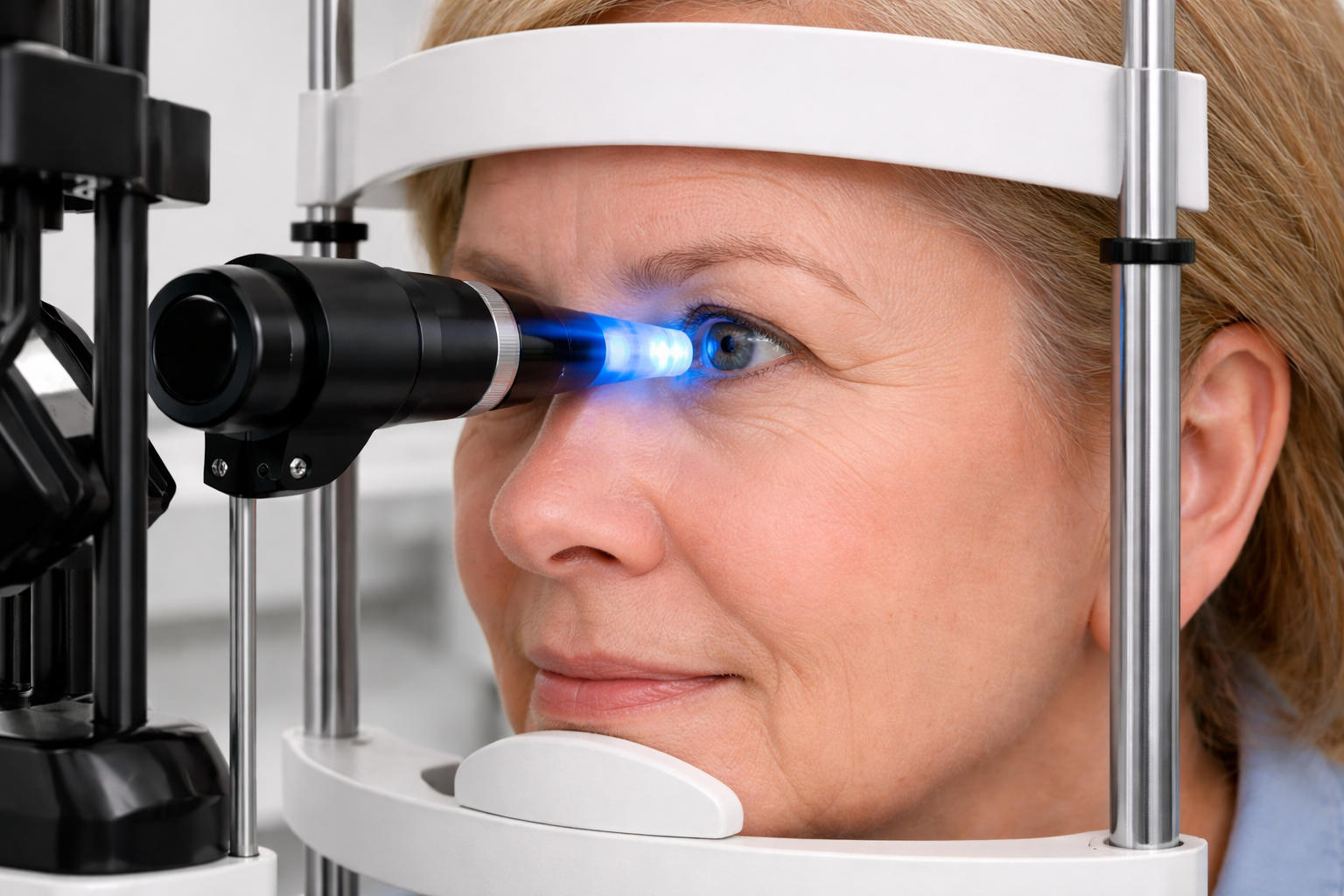
- Do I need an OCT scan or visual field test?
- Are my corneas thick or thin?
- Do I need treatment now, or just monitoring?
When a second opinion makes sense
A second opinion is reasonable if you have been told your pressure is high but no one clearly explained the risk, the diagnosis feels vague, you were started on lifelong drops without understanding why, or you have mixed messages about whether you actually have glaucoma.
Pressure readings, OCT scans, visual fields, and clinic letters often make much more sense when they are reviewed together instead of in fragments.
Need an ophthalmologist to review your eye pressure results?
If you have been told you have high eye pressure and want a clearer explanation of what it means, WebEyeClinic offers a paid online review service for eye pressure readings, OCT scans, visual field reports, glaucoma concerns, and treatment questions.
This can help if you want a second opinion, a clearer understanding of your risk, or guidance on what questions to ask at your next visit.
Related articles on WebEyeClinic
- What Does My OCT Eye Scan Mean?
- What Eye Symptoms Should Never Be Ignored?
- Can an Online Eye Doctor Review My Reports?
- Should I Get a Second Opinion Before Eye Surgery?
- Are Eye Floaters Normal or Dangerous?
Bottom line
High eye pressure means the pressure inside the eye is above the usual normal range, but it does not automatically mean glaucoma or permanent vision loss. What matters is whether the optic nerve is being damaged, whether the pressure stays high, and how strong your overall glaucoma risk is.
The danger is not always what you feel. It is what may be happening quietly in the background if the pressure remains high and no one looks closely enough.
Medical disclaimer: This article is for educational purposes only and does not replace an in-person examination, diagnosis, or treatment plan. Sudden eye pain, halos, nausea, blurred vision, or a red eye should be assessed urgently.
Medically reviewed by: WebEyeClinic Ophthalmology Team | Last updated: March 16, 2026