Published: March 15, 2026
This guide explains the downsides of LASIK eye surgery, including common side effects, possible complications, long-term limitations, and when LASIK may not be the best option. Medically reviewed by an ophthalmologist.
Many patients ask what are the downsides of LASIK eye surgery before deciding whether laser vision correction is right for them. LASIK can reduce dependence on glasses or contact lenses, but it is still surgery and it does have risks, side effects, and limitations. The most common downsides include dry eyes, glare, halos, night vision problems, and the possibility of not achieving perfect vision.
It is also important to understand that LASIK is not suitable for everyone. Some patients are better candidates than others, and some people may be advised to avoid LASIK because of thin corneas, dry eye disease, unstable prescription, or other eye conditions. If you want personalised advice about LASIK risks and whether you may be a suitable candidate, you can
chat with an eye doctor online here
.
What Is LASIK Eye Surgery?
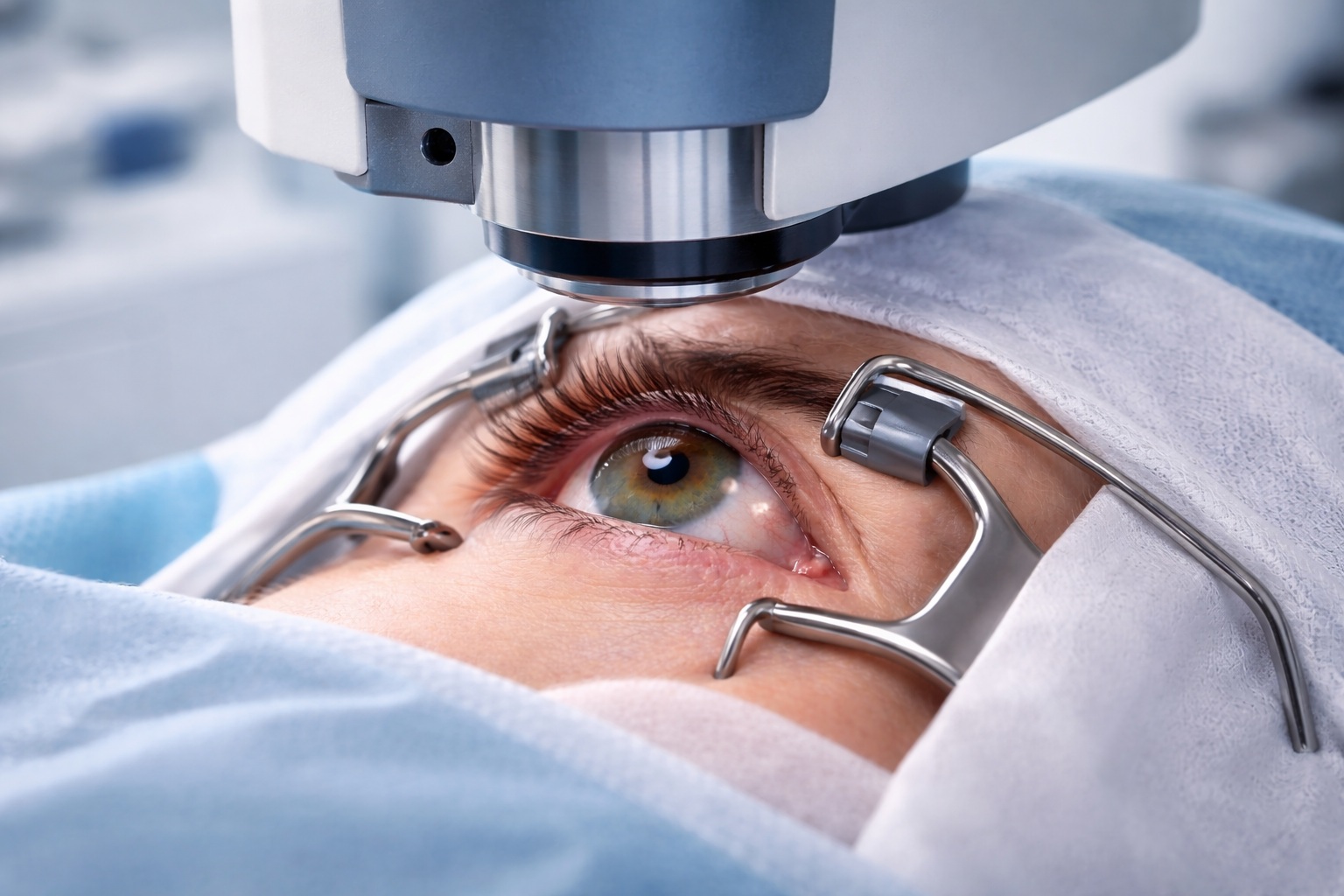
LASIK is a type of laser eye surgery used to correct refractive errors such as short-sightedness, long-sightedness, and astigmatism. The procedure works by reshaping the cornea so that light focuses more accurately on the retina. This can improve vision and reduce the need for glasses or contact lenses.
Although LASIK is widely performed and often successful, it permanently changes the shape of the cornea. That is why patients should understand both the benefits and the downsides before going ahead.
Common Downsides of LASIK Eye Surgery
The downsides of LASIK can be divided into common side effects, visual quality concerns, limitations of the result, and uncommon but serious complications.
Dry Eyes After LASIK
Dry eye is one of the most common side effects after LASIK. The surgery can temporarily affect corneal nerves that help regulate tear production, which may lead to dryness, burning, irritation, or a gritty feeling.
- Symptoms are common in the early recovery period
- Dryness may last for weeks or months
- Patients with pre-existing dry eye are at higher risk
For some patients, the dryness is mild and temporary. For others, it can become a long-term problem and one of the biggest disadvantages of LASIK.
Glare, Halos, and Night Vision Problems
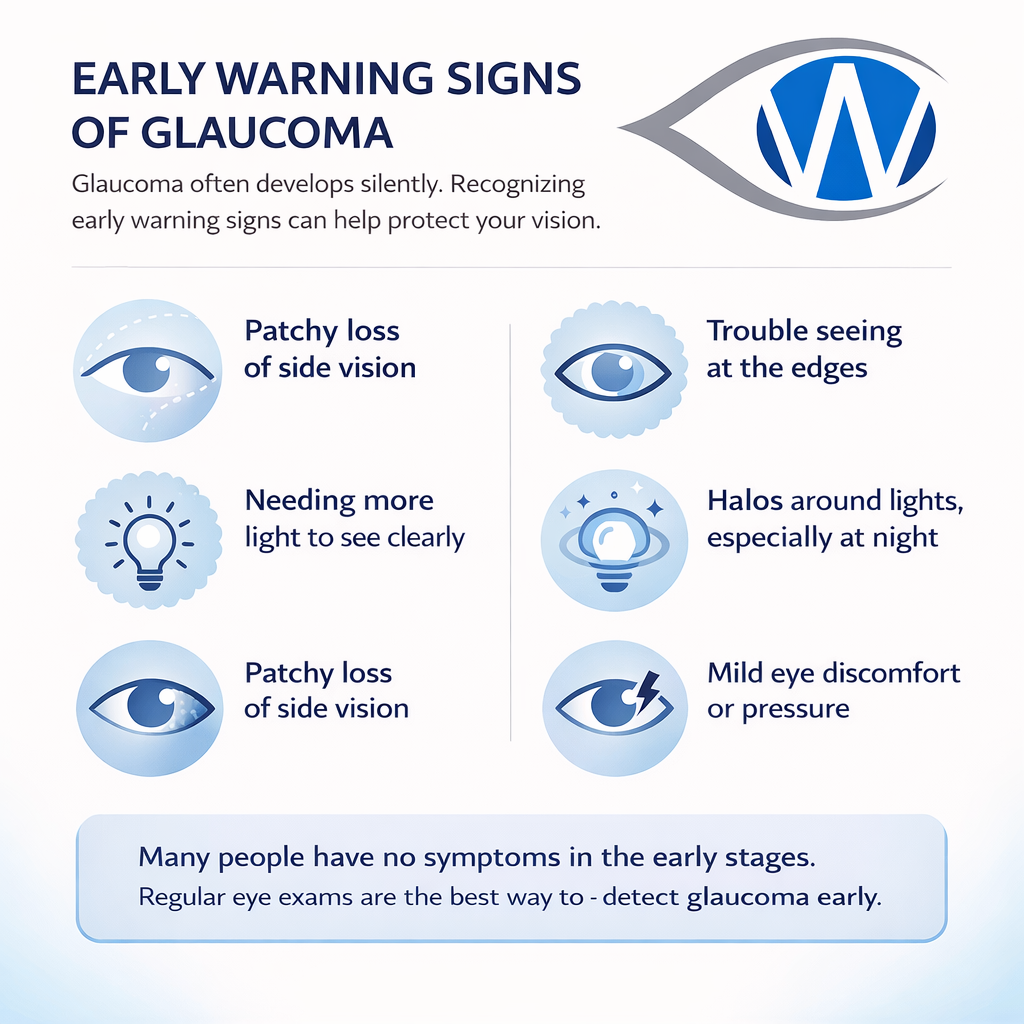
Another common downside of LASIK is the possibility of visual disturbances, especially in dim light. Some patients notice glare, halos around lights, starbursts, ghosting, or reduced contrast sensitivity after surgery.
- Night driving may become more difficult
- Headlights and bright lights may appear more disturbing
- Symptoms often improve, but not always completely
This means a patient may still read well on an eye chart but feel that their overall visual quality is not as good as expected in real-world conditions.
Undercorrection or Overcorrection
LASIK is highly accurate, but it does not guarantee a perfect result in every case. Some patients are left with residual refractive error, meaning the vision is improved but not fully corrected. Others may be slightly overcorrected.
- You may still need glasses for some activities
- Some patients need an enhancement procedure
- Not every patient is suitable for additional laser treatment
This is one of the main reasons why realistic expectations are very important before surgery.
Vision Can Change Again With Time
LASIK does not stop the natural ageing process of the eyes. Even if the initial result is excellent, the eyes may still change over time.
- Reading glasses may still be needed with age
- Some prescriptions can shift later
- LASIK does not prevent cataracts or other eye diseases
Some patients expect LASIK to solve all future vision problems, but that is not the case.
Flap-Related Complications
LASIK involves creating a thin flap in the cornea. This is one of the features that makes LASIK different from some other refractive procedures. Although flap-related problems are uncommon, they are a real downside of the operation.
- The flap can be irregular or incomplete
- The flap can move or develop folds
- Flap healing issues can affect vision quality
These problems are not common, but they are important to understand before surgery.
Risk of Corneal Ectasia
Corneal ectasia is a rare but serious complication in which the cornea becomes progressively weakened and begins to bulge forward after LASIK. This can distort vision and may require further treatment.
- Risk is higher in patients with thin or abnormal corneas
- Careful screening is essential before LASIK
- This is one of the most serious long-term complications
Infection, Inflammation, and Healing Problems
Like any eye surgery, LASIK carries a risk of infection, inflammation, or delayed healing. These complications are uncommon, but they can affect the final result and sometimes threaten vision if not treated promptly.
- Pain, redness, or worsening blur should be checked urgently
- Careful follow-up after surgery is important
- Post-operative eye drops must be used as directed
LASIK Is Not Reversible
One major downside of LASIK is that it permanently reshapes the cornea. Unlike glasses or contact lenses, the treatment cannot simply be removed if the outcome is not ideal.
- The corneal change is permanent
- Some problems can be managed, but not reversed
- Patients should think carefully before surgery
Not Everyone Is a Good Candidate
Not every patient is suitable for LASIK. In some situations, LASIK may increase the risk of complications or poor visual results.
- Dry eye disease
- Thin or irregular corneas
- Unstable prescription
- Certain corneal conditions
- Active eyelid or eye surface inflammation
- Some autoimmune or healing-related conditions
For these patients, a different procedure or no surgery at all may be safer.
What Is the Biggest Downside of LASIK?
For many patients, the biggest practical downsides of LASIK are chronic dry eye symptoms and reduced visual quality at night. For eye surgeons, the most serious concerns are rare complications such as corneal ectasia, flap complications, infection, or loss of best-corrected vision. Although these severe problems are uncommon, they are the reason LASIK should always be treated as real surgery rather than a simple cosmetic procedure.
Are LASIK Side Effects Permanent?
Many LASIK side effects improve during the first few weeks or months after surgery. Dryness, glare, halos, and fluctuating vision often become less noticeable over time. However, not every side effect disappears completely in every patient. A small number of people continue to experience persistent symptoms.
Who Should Be More Cautious About LASIK?
- Patients with dry eye symptoms before surgery
- People with thin or suspicious corneas
- Those with unstable prescriptions
- Patients with high night-driving demands
- Anyone expecting guaranteed perfect vision
When to Talk to an Eye Doctor
If you are thinking about LASIK, a proper assessment is essential before making a decision. An eye doctor can check corneal thickness, tear film quality, prescription stability, and overall eye health to decide whether LASIK is appropriate or whether another option would be safer.
Ask an Eye Doctor Online
If you are considering LASIK and want to understand the risks in your own situation, you can
chat with an eye doctor online here
.
Conclusion
The downsides of LASIK eye surgery include dry eyes, glare, halos, night vision problems, flap complications, undercorrection, overcorrection, and the fact that the procedure is not reversible. LASIK can be very successful in the right patient, but it is not risk-free and it is not the best option for everyone. The safest approach is to have a full eye assessment, understand the possible disadvantages, and make sure your expectations are realistic before having surgery.
Medically reviewed by: WebEyeClinic Ophthalmology Team
Last updated: March 15, 2026