Published: March 15, 2026
This guide explains what causes dry eyes all of a sudden, including sudden triggers, underlying medical causes, symptoms to watch for, home treatment, and when dry eye symptoms should be checked by an eye doctor. Medically reviewed by an ophthalmologist.
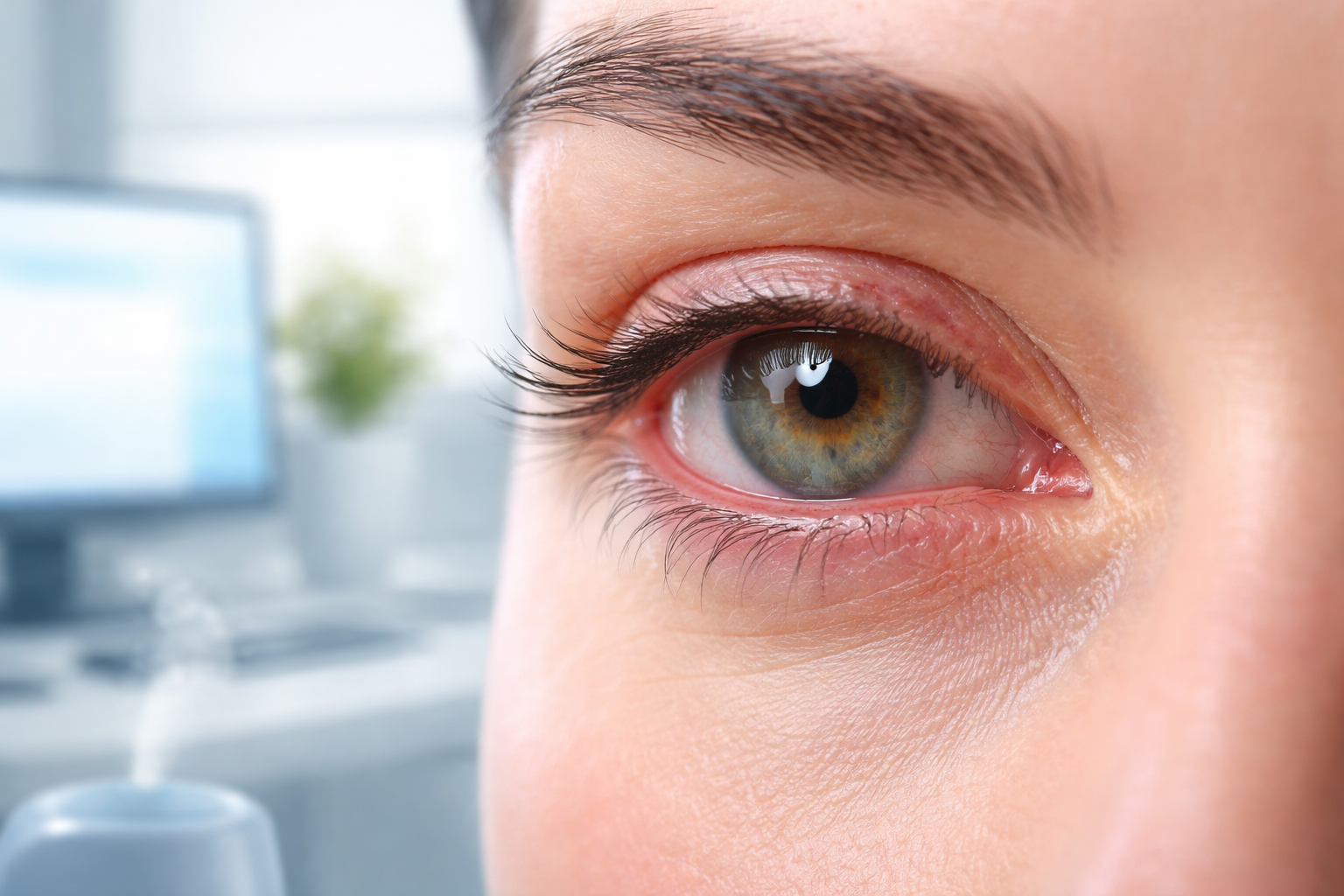
Many people ask what causes dry eyes all of a sudden when their eyes suddenly begin to burn, sting, feel gritty, or water more than usual. Although the symptoms may seem to appear without warning, sudden dry eyes usually happen because the tear film becomes unstable. This can happen when the eyes do not produce enough tears, when tears evaporate too quickly, or when the tears do not contain the right balance of oil, water, and mucus.
In many cases, sudden dry eyes are caused by screen use, dry air, allergies, medications, dehydration, or contact lens wear. Sometimes, however, dry eyes that start suddenly are linked to eyelid inflammation, meibomian gland dysfunction, hormonal changes, or an underlying health problem. If your symptoms do not settle or become more severe, you can
chat with an eye doctor online here
.
What Is Dry Eye?
Dry eye is a common condition that happens when the surface of the eye is not kept properly lubricated. The eyes need a healthy tear film to stay comfortable and to keep vision clear. The tear film has three important layers. The oily layer slows evaporation, the watery layer provides moisture, and the mucus layer helps tears spread evenly across the eye.
If any part of this system stops working properly, the eyes can suddenly start to feel dry, irritated, tired, or blurry. This is why dry eye symptoms can start quickly even in people who have not had the problem before.
Common Symptoms of Sudden Dry Eyes
- Burning or stinging
- Gritty or sandy feeling
- Red eyes
- Watery eyes
- Blurred or fluctuating vision
- Eye fatigue
- Sensitivity to light
- Discomfort with contact lenses
Watery eyes are often confusing, but they are a common sign of dryness. When the eye surface becomes irritated, the eyes may produce reflex tears. These tears are usually poor quality and do not give long-lasting lubrication, so the eyes can water and still feel dry at the same time.
What Causes Dry Eyes All of a Sudden?
The most common sudden dry eye causes fall into two groups. The first group includes temporary triggers that increase tear evaporation or reduce blinking. The second group includes medical or eyelid conditions that affect tear quality and tear stability.
1. Long Screen Use and Reduced Blinking
One of the most common reasons for dry eyes all of a sudden is increased screen time. When you look at a computer, phone, or tablet, you blink less often and sometimes do not blink fully. This means tears are not spread properly over the eye surface.
- Tears evaporate faster
- The eye surface dries out
- Burning and blur often become worse later in the day
This is a very common cause of sudden dry eye symptoms in office workers, students, and anyone spending long hours on digital devices.
2. Air Conditioning, Heating, Fans, and Wind
Environmental dryness can trigger symptoms very quickly. Air conditioning, indoor heating, direct fan air, aeroplane cabin air, and windy weather all increase tear evaporation.
- Dry air removes moisture from the tear film
- Direct airflow makes symptoms worse
- Symptoms often improve after leaving the environment
If your eyes suddenly feel dry indoors, the surrounding air may be a major factor.
3. Allergies
Allergies can make the eyes feel dry, itchy, red, and watery at the same time. Pollen, dust, pet dander, and mould can inflame the eye surface and disrupt the tear film.
- Symptoms may come on during certain seasons
- Itching is often a strong clue
- Swelling and redness may also be present
Some allergy medicines can also worsen dryness by reducing tear production, so both the allergy and the treatment may contribute.
4. Contact Lens Wear
Contact lenses sit on the tear film and can sometimes make dryness worse, especially if worn for long hours or in dry environments. A lens that was comfortable before may suddenly become irritating if the tear film changes.
- Long wear time can dry the eye surface
- Screen use while wearing lenses makes symptoms worse
- Poor lens fit or old lenses can increase irritation
If dryness starts while using contact lenses, removing them for a period often helps confirm the cause.
5. Medications
Several common medicines can reduce tear production or worsen evaporation. Dry eye may start suddenly after beginning a new medicine or increasing the dose.
- Antihistamines
- Antidepressants
- Blood pressure medicines
- Decongestants
- Some hormonal treatments
If symptoms began soon after starting a new medication, this is an important clue to discuss with your doctor.
6. Meibomian Gland Dysfunction
The meibomian glands are tiny oil glands in the eyelids. They produce the oily part of tears, which helps stop tears from evaporating too quickly. If these glands become blocked or inflamed, the eyes may suddenly feel dry even though tears are still being produced.
- This is one of the most common causes of evaporative dry eye
- Symptoms often include burning and fluctuating blur
- The eyelid margins may look red or irritated
This problem is often missed because the eyes may water a lot despite significant dryness.
7. Blepharitis and Eyelid Inflammation
Blepharitis is inflammation around the eyelid edges. It can disturb the tear film and lead to sudden irritation, dryness, crusting, and redness.
- Eyelids may feel sore or sticky
- Lashes may collect debris or crusts
- Dry eye symptoms often keep returning
Blepharitis is closely linked to meibomian gland dysfunction and is a common reason why dry eye becomes chronic.
8. Dehydration
Your eyes depend on good hydration. When the body is dehydrated, tear production may fall and the eyes can start to feel dry and tired.
- Not drinking enough water
- Fever or illness
- Heavy exercise
- Excess alcohol intake
Mild dehydration can be enough to worsen dry eye in people who are already prone to it.
9. Hormonal Changes
Hormones affect the tear glands and the oil glands in the eyelids. Sudden dryness may happen during hormonal changes such as pregnancy, menopause, thyroid imbalance, or changes related to hormonal medication.
- Tear production may decrease
- Tear quality may change
- Symptoms can become persistent if untreated
10. Underlying Medical Conditions
Sometimes sudden dry eyes are not just a surface problem. They may be linked to an underlying medical condition that affects tear production or causes inflammation.
- Autoimmune diseases
- Thyroid disease
- Rosacea
- Inflammatory eye conditions
If dryness is severe, persistent, or happens with other symptoms such as dry mouth, joint symptoms, or repeated irritation, a medical cause should be considered.
Why Do Dry Eyes Feel Worse Some Days Than Others?
Dry eye symptoms often vary from day to day because the tear film responds to environment, fatigue, inflammation, hydration, and screen habits. A person may feel normal one day and suddenly have strong symptoms the next after poor sleep, long digital work, indoor heating, or allergy exposure.
This changing pattern is very common and does not mean the symptoms are not real. In fact, fluctuating symptoms are typical in dry eye disease.
How to Relieve Sudden Dry Eyes
Home treatment can help many mild cases of sudden dryness, especially when symptoms are caused by screen strain, dry air, or temporary irritation.
Artificial Tears
Lubricating eye drops are often the first treatment used for sudden dry eyes. They replace moisture and protect the eye surface.
- Choose preservative-free drops if using them frequently
- Use them several times during the day if needed
- Avoid redness relief drops unless advised otherwise
Warm Compress
A warm compress is helpful when dryness is related to blocked eyelid oil glands.
- Apply for 5 to 10 minutes
- Repeat daily
- Massage the eyelids gently afterwards if advised
Lifestyle Changes
- Take regular screen breaks
- Blink more often during computer use
- Use a humidifier indoors
- Drink enough water
- Avoid direct fan or vent airflow
- Rest from contact lenses if symptoms are active
When to See an Eye Doctor for Sudden Dry Eyes
Dry eyes that start suddenly are often mild, but some symptoms suggest that a full eye examination is needed.
- Severe redness
- Eye pain
- Blurred vision that does not clear
- Marked light sensitivity
- Symptoms lasting more than a few days
- No improvement with lubricating drops
- Repeated episodes of dry eye
An eye doctor can check whether the problem is simple dryness or something more serious such as corneal irritation, blepharitis, infection, or significant meibomian gland dysfunction.
Ask an Eye Doctor Online
If your dry eye symptoms continue or you are not sure what is causing them, you can
chat with an eye doctor online here
.
Conclusion
If you are wondering what causes dry eyes all of a sudden, the most common reasons are reduced blinking during screen use, dry air, allergies, contact lenses, medications, dehydration, and eyelid oil gland problems. Although symptoms may appear suddenly, the underlying issue is usually tear film instability. Most mild cases improve with artificial tears, warm compresses, and simple changes in daily habits, but persistent or severe dryness should always be assessed by an eye doctor.
Medically reviewed by: WebEyeClinic Ophthalmology Team
Last updated: March 15, 2026